
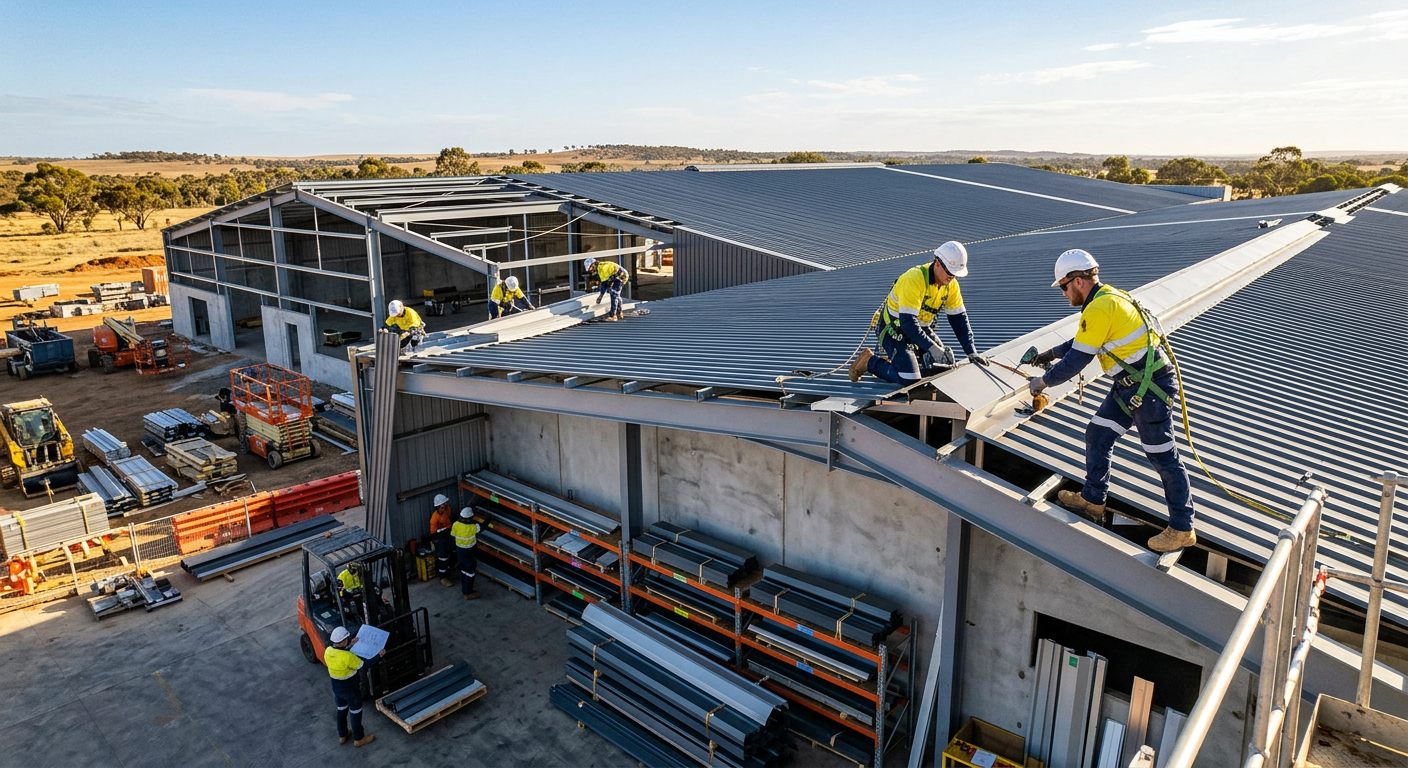
Custom roofing components support site coordination by turning a documented junction, edge or transition into a clearly identified item for fabrication and delivery. The practical value comes from the information supplied with the order: the current drawing, dimensions, material, quantity, profile and intended location.
This matters because a flashing or pressing name alone does not describe its finished shape. Returns, folds and adjoining surfaces still need to be understood before the item can be fabricated from the project information.
The same discipline helps builders and contractors separate fabrication questions from design decisions. A clear order identifies what has already been documented and what still needs confirmation from the responsible project party.
That creates a more useful conversation about roofing fabrication. Rather than treating a custom item as a generic accessory, the order can connect each component to the detail and location it serves.
A Custom Component Begins With a Specific Interface
A standard product category can be useful when a project calls for a recurring item in a known form. Custom work serves a different purpose. It responds to a particular junction, transition or connection where the finished pressing needs to reflect the information supplied for that location.
That distinction is important because the word flashing can describe many folded pieces. It does not identify which surfaces the item meets, where its returns sit, or how it relates to nearby sheeting, cladding or drainage components. Those details give the fabricator a workable description rather than a broad label.
A builder or contractor can make the request easier to follow by assigning an identifier to each item. The identifier can sit beside the relevant drawing reference, location and quantity, allowing similarly named components to remain distinct throughout the order.
Define The Junction Before The Fold
Start with the job the component performs within the documented detail. An edge flashing, wall transition, penetration flashing and folded trim may all involve sheet metal, but each belongs to a different interface. Naming that interface keeps the discussion tied to the project information.
The adjoining materials are equally relevant. Colorbond sheeting meeting a folded flashing is a different description from cladding meeting an aluminium pressing. Recording the materials shown in the specification helps the enquiry retain the distinctions already made by the project documents.
The order should also state which information is settled and which information remains open. A dimension taken from the current drawing is not the same as a dimension waiting to be checked. Marking that difference prevents an unresolved figure from looking like a fabrication instruction.
Use Drawings As The Shared Reference
A useful drawing reference includes the drawing number, detail number and current revision. The custom flashings range includes flashings, gutters, downpipes and specialised trims, so the project reference is what distinguishes one requested form from another within those broad product groups.
Dimensions need their own source. The order can identify whether a measurement comes from the documented detail or has been confirmed separately by the builder or contractor. The fabricator can then read the figure in the context in which it was supplied.
Questions about scope should be resolved before they are hidden inside a product label. The published FAQ guidance makes the service boundary clear: fabrication and delivery are available, while installation is arranged separately, with trade referrals available when requested.
Turn Product Requests Into Fabrication Information
A component schedule can gather the practical fields needed for an order: item identifier, description, material, quantity, drawing reference, revision, dimensions and delivery notes. The available roofing materials include roofing and cladding sheets, purlins, tophats, battens and stormwater items, making precise product descriptions useful when several categories sit in one package.
The schedule does not have to replace the drawing. Its purpose is to direct the reader to the right information and make differences between items visible. When two flashings use different dimensions or locations, separate identifiers keep those differences from being lost in a combined quantity.
Match The Material To The Documented Item
Material descriptions should follow the project information rather than assumptions based on the component name. Published options include aluminium pressings for folded components specified in aluminium. The enquiry still needs the relevant profile, dimensions, quantity and drawing context.
Stainless steel is another distinct fabrication category. The available stainless pressings include 304 and 316 stainless steel where those grades are specified for the item. The grade should come from the project requirement, not be selected by treating all stainless applications as interchangeable.
Keep Fabrication And Site Roles Distinct
Wesroof fabricates and delivers roofing and building components in Western Australia. For this work, turnkey supply means fabrication and delivery. It does not extend the order into fitting, re-roofing, repair, maintenance or an onsite roof assessment.
After the brand and supply boundary are clear, we can focus the enquiry on the information used to make and deliver the item. The builder, contractor, designer, engineer, certifier and installer retain their respective project responsibilities, while the fabrication discussion stays centred on the component ordered.
Some orders also include smaller fabricated items or project-specific metalwork alongside the main roofing package. Our light fabrication capability covers work in aluminium, stainless steel, mild steel, galvanised steel, Colorbond and Zincalume when the requested item fits that fabrication scope.
Describe Flashings, Cladding And Drainage Clearly
Each trade noun should carry enough context to identify the item. Flashing, pressing, cladding, sheeting, tophat and batten describe different parts of an order, but none replaces the detail that sets dimensions, shape, material and location.
Make Similar Flashings Easy To Tell Apart
Where several flashings appear on one project, use a naming pattern linked to location. For example, an edge, wall transition and penetration can each receive a separate identifier even if they use the same material. This makes quantities and revisions easier to compare against the current schedule.
A sketch or detail should show the fold sequence and relevant dimensions without asking the fabricator to infer the surrounding design. If an angle, return or overall width is still unresolved, mark it for confirmation by the responsible project party before release for fabrication.
Use The Cladding Profile Only Where It Applies
Profile names should be used precisely. Cladding 280 is a named cladding profile with 280 mm cover, so that description belongs only where the project calls for that specific profile. It should not become a general label for unrelated cladding or folded sheet items.
This distinction also matters when a package contains cladding and custom pressings together. The cladding profile can be identified as one line item, while flashings and trims are listed separately with their own dimensions and locations. The order remains readable without blurring manufactured profiles and project-specific folds.
Record Drainage Connections As Separate Items
Gutters, sumps, downpipe sections and connecting pieces can form part of a supply package, but each should be described as its own item. The order can identify the relevant location, quantity and connection shown in the project documents instead of relying on one general stormwater description.
Where a gutter meets an outlet, sump or downpipe section, the associated drawing reference gives the enquiry its context. Any unresolved drainage design or capacity decision remains with the appropriate project professional. Our role is to fabricate and deliver the documented item once the required information is available.
Control Revisions Before Fabrication
Project information can change after an initial enquiry. A revised wall interface, opening or dimension may affect a custom component even when its product category remains the same. The safest administrative response is to compare the new revision with the information already issued for pricing or fabrication.
Keep One Current Instruction Set
A revision register can record the drawing number, revision, date received and affected item identifiers. This gives the builder or contractor a direct way to show which components need review and which remain unchanged. Superseded details should be kept out of the active order set.
The business is a family-owned fabricator established in 1970 and based in Maddington, serving Perth and Western Australia. That history provides context for the fabrication and supply focus, while each current order still depends on the drawings, dimensions and product information supplied for that project.
When a change reaches us, the useful question is not simply whether the drawing has a new revision letter. We need to know whether the component shape, dimensions, material, quantity or delivery grouping has changed. Identifying the affected field makes the revision practical to assess.
Check The Package Before Release
Before fabrication, compare the schedule with the attached details. Check that every custom item has an identifier, every identifier points to the current drawing, and each material and quantity matches the instruction intended for release. Open questions should remain visibly open rather than being filled with an assumption.
Delivery information deserves the same care. Site address, recipient, unloading arrangements and package grouping can be supplied by the builder or contractor as part of the order. These details support delivery planning without turning the fabrication enquiry into an onsite assessment.
A package label can repeat the item identifier used in the schedule. That gives the receiving contractor a practical reference when matching supplied flashings, pressings or sheets to the project information before the relevant trade handles installation.
Prepare The Enquiry Around The Component’s Real Job
A strong enquiry starts with the component and the interface it serves. Provide the current drawing, item identifier, dimensions, material, quantity, location and delivery requirements. If a detail is still being confirmed, mark it clearly and identify who is responsible for resolving it.
This approach keeps custom roofing components connected to the information used for fabrication. It also gives us a clear basis for discussing flashings, pressings, cladding, sheeting and related supply items without taking on design or onsite work outside our role. To discuss a documented fabrication and delivery order, Speak with us with the available project information.

Leave A Comment